


One of Seattle’s secrets is Boeing’s aerospace empire, which is located in the bustling city and is known for its coffee culture and picturesque landscapes. Wonders are made in the sky above Emerald City.
In other words, Seattle is not only the birthplace of grunge music, but it is also where some of the most legendary aircraft have originated. With a focus on innovation and precision, Boeing has woven a tapestry of innovation and precision within this Pacific Northwest metropolis.
With the opening of Boeing’s hangar doors, you can imagine a world where cutting-edge technologies dance with the stars. As you explore the heart of Seattle’s aircraft manufacturing, you’ll discover that the city’s skyline is much more than just a testament to its towering skyscrapers. Discover the fascinating history of Boeing’s impact on Seattle in this interactive experience.
Boeing’s Seattle Facilities

In the sprawling landscape of aerospace innovation, Boeing’s Seattle Facilities stand as the beating heart of a legacy that has shaped the very skies we traverse today. Nestled within the contours of the Pacific Northwest, these facilities epitomize the marriage of engineering prowess and historical significance.
Overview of Major Boeing Facilities in the Seattle Area
At the forefront of this aerospace colossus lies a network of facilities that seamlessly blend into the urban fabric of Seattle. Boeing’s major facilities in the area read like a manifesto of technological advancement:
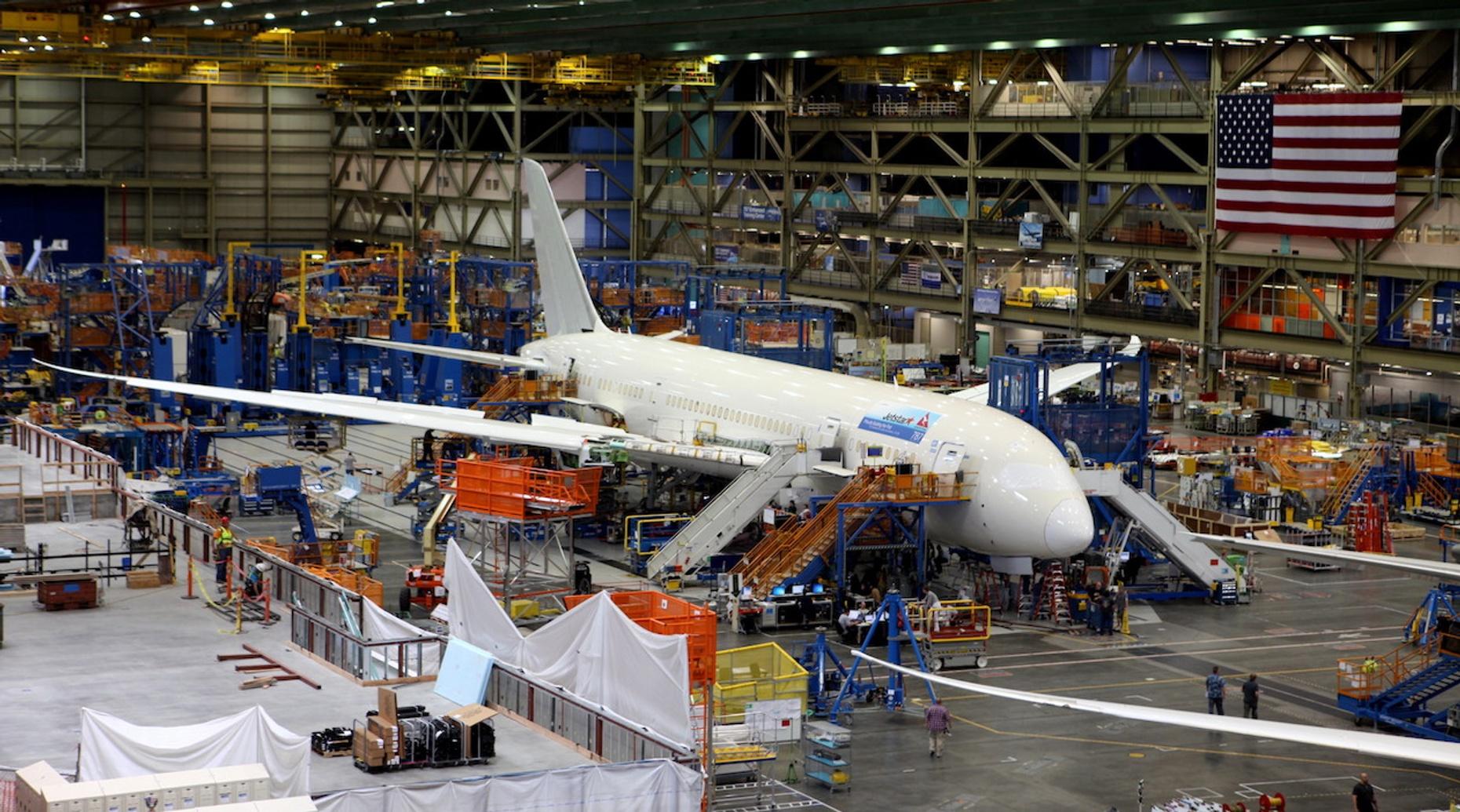
The Boeing Everett Factory: This mammoth facility, often touted as the largest building by volume globally, is an engineering marvel in itself. Home to the assembly of iconic aircraft like the 747, 767, 777, and the state-of-the-art 787 Dreamliner, it echoes with the hum of innovation. From the initial fuselage construction to the meticulous assembly of components, every inch of this facility is a testament to precision and efficiency.
Renton Production Facility: As we venture south, the Renton Production Facility unfolds, a hub of activity dedicated to the assembly of the 737, the world’s best-selling commercial jetliner. The rhythmic dance of assembly lines and the orchestration of skilled technicians converge here, producing aircraft that not only fill the skies but also redefine air travel standards.
Boeing Field: Serving as more than just a runway, Boeing Field is a bustling airport and delivery center. It is the point of departure for freshly minted aircraft, taking their inaugural flights to destinations worldwide. The runway becomes a stage for the unveiling of cutting-edge technology, propelling Seattle’s aerospace influence beyond its city limits.
Historical Development of Boeing’s Presence in the Region
To comprehend the magnitude of Boeing’s impact on Seattle, one must delve into the annals of history. Boeing’s presence in the region traces back to the early 20th century, a time when aviation was in its infancy. The birth of the Boeing Company in 1916 marked the genesis of a partnership with Seattle that would withstand the test of time.
World War Era: The transformative era of World War II saw Boeing catapulting into the limelight as a major contributor to the war effort. The B-17 Flying Fortress and the B-29 Superfortress emerged as icons of aerial supremacy, solidifying Boeing’s standing as a linchpin in aviation history.
Jet Age and Beyond: The post-war era ushered in the jet age, with Boeing at the forefront of innovation. The Boeing 707, the first commercially successful jetliner, rolled out of Seattle’s factories, paving the way for an era of mass air travel. Subsequent decades witnessed the birth of legendary aircraft such as the 747, further cementing Boeing’s legacy in the city.
Today, the Boeing Seattle Facilities encapsulate not just a physical space for aircraft construction but a living chronicle of aviation evolution. As these facilities continue to evolve, they remain a testament to the resilience, ingenuity, and unwavering spirit that defines both Boeing and the city it calls home.
Aircraft Manufacturing Process
Aircraft Manufacturing Unveiled: Boeing’s Symphony of Precision in Seattle
In the bustling heart of Seattle, where innovation meets the horizon, Boeing orchestrates a symphony of precision in the intricate art of aircraft manufacturing. The process unfolds like a meticulously choreographed dance, each step a testament to technological prowess and unwavering commitment to excellence.
Step-by-Step Breakdown of the Boeing Aircraft Manufacturing Process
Design Blueprinting: At the genesis of this aeronautical ballet lies the meticulous blueprinting of the aircraft design. Engineers, armed with cutting-edge software, translate conceptual sketches into intricate digital models, setting the stage for what will soon grace the skies.
Materials Selection and Preparation: As the blueprint takes form, attention turns to material selection. Boeing’s commitment to lightweight, durable materials is paramount. From advanced alloys to composite materials, each component is meticulously crafted to withstand the rigors of flight.
Precision Machining: The manufacturing dance truly begins with precision machining. Computer Numerical Control (CNC) machines carve intricate components with surgical precision, ensuring uniformity and accuracy that are the hallmarks of Boeing’s craftsmanship.
Fuselage Fusion: The fuselage, the aircraft’s skeletal structure, emerges as a focal point. Sections are seamlessly joined, riveted, and welded together, transforming raw materials into the recognizable form of a Boeing aircraft. This process, akin to assembling a complex puzzle, demands both skill and technological finesse.
Wings and Empennage Integration: With the fuselage taking shape, attention pivots to the wings and empennage. Technicians meticulously integrate these components, employing advanced robotics for precision placement. The wings, a symbol of flight’s grace, unfold with a meticulousness that echoes the avian inspiration.
Systems Installation: The aircraft’s nervous system comes to life as avionics, hydraulics, and electrical systems are intricately installed. Each wire, each circuit, meticulously positioned to ensure seamless functionality and airtight safety standards.
Exterior and Interior Finishing: As the aircraft nears completion, the spotlight shifts to aesthetics. The exterior receives its distinctive livery, showcasing not just a brand but an emblem of reliability and innovation. Simultaneously, the interior undergoes meticulous outfitting, transforming the shell into a passenger haven or a cargo powerhouse, depending on the aircraft’s purpose.
Emphasis on Technological Advancements and Innovation in the Process
Robotics Revolution: Boeing’s embrace of robotics transcends mere efficiency; it redefines the manufacturing landscape. Robots, equipped with artificial intelligence, execute tasks with unparalleled precision, enhancing both speed and accuracy in the assembly process.
Digital Twin Technology: A beacon of innovation is the integration of digital twin technology. This groundbreaking approach creates a virtual replica of the aircraft in the digital realm, allowing engineers to simulate and optimize every aspect of the manufacturing process before physical production begins. The result is not just efficiency but a reduction in environmental impact through minimized waste.
Lean Manufacturing Principles: Boeing’s commitment to lean manufacturing principles ensures not only efficiency but a continuous pursuit of perfection. From streamlined production flows to just-in-time inventory practices, every facet of the process is scrutinized for optimization.
In Conclusion, Soaring Beyond Boundaries
As Boeing’s aircraft take flight, propelled by the culmination of these meticulous manufacturing steps, it’s not just the physical embodiment of aerospace engineering that graces the skies. It’s a testament to human ingenuity, technological advancement, and a commitment to pushing the boundaries of what’s possible. Seattle, the birthplace of Boeing’s aeronautical marvels, stands as a silent witness to the evolution of flight, where every aircraft manufactured is a chapter in the unfolding saga of innovation.
Boeing’s Product Line in Seattle
Boeing’s Aerial Symphony: A Detailed Dive into the Skyborne Arsenal
In the empyreal realm of aviation, Boeing’s Product Line in Seattle emerges as a testament to the diverse tapestry of innovation and engineering prowess. Let’s embark on a detailed exploration of the aviation juggernaut’s product line, where each aircraft model is not just a machine but a marvel tailored to meet distinct needs and aspirations.
Boeing 737: Defying Gravity with Versatility
- Significance: The Boeing 737, often hailed as the workhorse of commercial aviation, stands as an embodiment of versatility. Its ability to navigate short runways and varied landscapes has made it a stalwart choice for regional and short-haul flights.
- Market Demand: With a staggering demand for fuel-efficient and reliable aircraft in the short-haul sector, the 737 series has carved a niche as the preferred choice for airlines worldwide.
Boeing 747: The Queen of the Skies’ Majestic Reign
- Significance: The iconic Boeing 747, also known as the “Queen of the Skies,” has etched itself into the annals of aviation history. Its distinctive hump and colossal size marked a paradigm shift in long-haul travel.
- Market Demand: While newer models have taken the spotlight in recent years, the 747 still holds its regal presence in the cargo sector, ferrying colossal payloads across continents.
Boeing 777: Where Efficiency Meets Long-Haul Brilliance
- Significance: The Boeing 777, celebrated for its fuel efficiency and extended range, represents a milestone in long-haul travel. Its twin-engine design and advanced aerodynamics redefine the possibilities of intercontinental journeys.
- Market Demand: With the rising demand for long-haul travel and fuel efficiency considerations, the 777 series remains a coveted choice for airlines navigating the global skies.
Boeing 787 Dreamliner: Pioneering the Future of Flight
- Significance: The Boeing 787 Dreamliner emerges as a beacon of innovation, boasting composite materials, cutting-edge aerodynamics, and enhanced passenger comfort. It redefines the flying experience with features like larger windows and reduced cabin altitude.
- Market Demand: In an era where sustainability and passenger experience take center stage, the Dreamliner series has witnessed unprecedented demand, making it a flagship for modern air travel.
Boeing’s Market Adaptability and Technological Edge
- Adaptability: Boeing’s product line showcases a strategic adaptability, catering to a spectrum of aviation needs. From the nimble 737 addressing regional demands to the technologically advanced Dreamliner redefining long-haul expectations, each model is a testament to Boeing’s responsiveness to market dynamics.
- Technological Edge: Across the product line, Boeing has consistently integrated cutting-edge technology. From advanced avionics to fuel-efficient engine designs, the emphasis on technological innovation is not just a competitive advantage but a commitment to shaping the future of aviation.
The Future Horizon: Boeing’s Ongoing Pursuit of Excellence
- Projected Innovations: As Boeing looks towards the future, ongoing projects like the Boeing 797 promise to usher in a new era of aviation excellence. The industry eagerly anticipates the unveiling of this midsize aircraft, expected to bridge the gap between the 737 and the larger 787.
- Continued Impact: Boeing’s product line not only reflects its historical journey but sets the stage for continued impact on global aviation. The interplay of market demand, technological innovation, and strategic adaptability positions Boeing as a formidable player in the ever-evolving aerospace landscape.
In essence, Boeing’s product line in Seattle is a dynamic symphony of engineering brilliance, market acumen, and a relentless pursuit of excellence, where each aircraft model is a chapter in the ongoing saga of flight.
Economic Impact on Seattle
Boeing’s Economic Symphony: A Flourishing Overture in Seattle’s Landscape
In the pulsating heartbeat of the Pacific Northwest, Boeing’s economic footprint on Seattle transcends the tangible confines of aircraft manufacturing. The behemoth’s contributions to the local community unfold like a symphony, weaving threads of prosperity, job creation, and infrastructural metamorphosis into the city’s fabric.
Economic Contributions Unveiled: Boeing’s Impact on Seattle’s Prosperity
Job Creation as a Catalyst:
- Boeing, as the largest private employer in the region, serves as a job juggernaut, providing livelihoods to a diverse workforce. From skilled engineers crafting the future of aviation to assembly line technicians ensuring precision, each employment opportunity becomes a cornerstone in the economic edifice of Seattle.
- The multiplier effect of Boeing’s employment extends beyond its direct workforce, nurturing ancillary industries, from suppliers of raw materials to the local cafes serving the daily caffeine needs of Boeing’s workforce.
Infrastructure Development:
- Boeing’s economic resonance reverberates through the city’s infrastructure development. The sprawling Boeing facilities, with their colossal dimensions, necessitate a robust network of transportation and logistical support. This has spurred the development of modern highways, transport hubs, and logistical infrastructure that not only serve Boeing but elevate Seattle’s overall connectivity.
- The symbiotic relationship between Boeing and Seattle’s infrastructure is not just a practical necessity but a testament to how corporate prosperity and civic development can harmoniously coexist.
Overall Economic Growth:
- The economic growth spurred by Boeing’s presence extends beyond immediate job creation and infrastructure development. Seattle’s identity as a hub for aerospace innovation has catalyzed a broader economic ecosystem, attracting talent, investments, and ancillary businesses that further diversify the city’s economic portfolio.
- The financial tendrils of Boeing reach into sectors as varied as hospitality, real estate, and technology, painting a portrait of a city that thrives on the wings of aviation excellence.
Quantifying the Impact: Data-Driven Insights into Boeing’s Economic Embrace
Job Creation Metrics:
- Boeing’s employment statistics in Seattle paint a vivid picture of its impact. With tens of thousands of direct employees and a multitude more in supporting industries, the economic engine fueled by job creation pulsates, shaping Seattle’s employment landscape.
- The domino effect of job creation extends to income distribution, fostering a thriving middle class and stimulating local consumer spending.
Infrastructure Investments:
- Quantifiable investments in infrastructure reveal Boeing’s commitment to Seattle’s growth. Billions of dollars have been injected into facility expansions, technological upgrades, and sustainable practices, reinforcing the city’s status as a hub for cutting-edge aerospace technology.
- The collateral benefit lies in the creation of a conducive environment for other industries, attracting a diverse array of businesses that contribute to Seattle’s economic resilience.
Gross Regional Product (GRP) Impact:
- The Gross Regional Product, a key indicator of economic health, reflects Boeing’s enduring impact on Seattle. The aerospace giant‘s economic contributions contribute significantly to the city’s GRP, affirming its role as an economic powerhouse with a global imprint.
- The economic symbiosis extends to the state level, positioning Washington as a strategic player in the national and international economic arena.
Seattle’s Economic Overture: An Ever-Expanding Score
In essence, Boeing’s economic impact on Seattle transcends numerical figures and statistical analyses. It is an ongoing symphony, where the crescendo of job creation, infrastructure development, and overall economic growth harmoniously shapes the city’s destiny. As Boeing continues to innovate and soar to new heights, Seattle, in tandem, emerges as a testament to the enduring dance between corporate prosperity and the economic vitality of a thriving metropolis.
Environmental Considerations
Boeing’s Green Horizon: A Flight Towards Sustainable Manufacturing
In the era of environmental consciousness, Boeing’s commitment to sustainable and eco-friendly manufacturing stands as a beacon of corporate responsibility within the aerospace industry. The aerospace titan, with its colossal influence on the global stage, has not only recognized the ecological imperative but has actively shaped its practices to minimize its environmental footprint.
Boeing’s Sustainable Manufacturing Initiatives: A Closer Look
Green Technology Integration:
- Boeing’s embrace of green technology is not a mere nod to sustainability; it’s a transformative commitment. From the utilization of advanced materials with reduced environmental impact to the incorporation of fuel-efficient engines, every aircraft birthed in Boeing’s Seattle facilities is a testament to the integration of cutting-edge, eco-friendly technology.
- The adoption of green technology is not merely a checkbox exercise; it’s a strategic investment in a future where aerospace innovation and environmental stewardship coexist.
Renewable Energy Utilization:
- Boeing’s commitment extends beyond the wings of its aircraft to the very energy that powers its facilities. The widespread integration of renewable energy sources, including solar and wind power, paints a picture of an aerospace giant actively reducing its reliance on non-renewable resources.
- The sprawling Boeing facilities in Seattle, once synonymous with industrial energy consumption, are now transitioning towards a model that aligns with the principles of a sustainable and green future.
Waste Reduction and Recycling Initiatives:
- Boeing’s conscientious approach extends to waste reduction and recycling. The manufacturing process, often associated with significant waste outputs, undergoes scrutiny with an emphasis on recycling and repurposing materials.
- The result is a paradigm shift, where the very materials used to construct Boeing’s aircraft become part of a closed-loop system, minimizing the environmental impact traditionally associated with aerospace manufacturing.
Impact on the Local Environment: Balancing Progress with Preservation
Mitigation of Emissions:
- Boeing’s commitment to eco-friendly practices transcends the confines of its facilities, extending to the skies. The development of more fuel-efficient engines translates into reduced emissions during flight, contributing to the global aviation industry’s quest to mitigate its carbon footprint.
- The skies above Seattle, once marked by the emissions of traditional aircraft, are gradually witnessing a shift towards cleaner, more environmentally friendly aviation.
Local Ecosystem Preservation:
- Boeing’s practices don’t exist in isolation; they echo through the local environment. The preservation of green spaces, adherence to stringent environmental regulations, and a conscientious approach to ecosystem preservation are integral components of Boeing’s environmental ethos.
- The Puget Sound region, home to Boeing’s Seattle facilities, bears witness to a harmonious coexistence where industrial progress aligns with the preservation of the region’s natural beauty.
Quantifying Environmental Impact: Numbers That Speak Louder Than Jet Engines
Carbon Footprint Reduction Metrics:
- Boeing’s commitment to sustainability is quantifiable. Metrics reflecting the reduction in carbon footprint, achieved through the adoption of fuel-efficient technologies and streamlined manufacturing processes, provide a tangible measure of the aerospace giant’s environmental stewardship.
- The impact resonates globally, contributing to a narrative where the aviation industry evolves towards a more sustainable and eco-conscious future.
Renewable Energy Integration Statistics:
- Boeing’s integration of renewable energy sources is more than a symbolic gesture. Data-driven statistics on the percentage of energy sourced from renewables within Boeing’s operations paint a picture of an organization actively transitioning towards cleaner and greener energy practices.
- These statistics not only reflect Boeing’s commitment but serve as a benchmark for the industry’s potential to embrace sustainable energy solutions.
In Conclusion: A Blueprint for a Greener Tomorrow
As Boeing navigates the skies of sustainable manufacturing, its impact on the local environment and the broader aerospace industry becomes increasingly profound. Seattle, with its iconic skyline shaped by Boeing’s innovations, stands at the forefront of a paradigm shift where aerospace excellence converges with environmental preservation. Boeing’s journey towards sustainable manufacturing is not just a corporate responsibility; it’s a blueprint for a greener tomorrow where progress and environmental consciousness soar hand in hand.
Challenges and Controversies
Navigating Turbulence: Boeing’s Challenges and Controversies in Seattle
In the sprawling landscape of aerospace dominance, Boeing’s journey in Seattle, while marked by monumental achievements, has not been devoid of challenges and controversies. The narrative is a testament to the complexities inherent in the aerospace industry, where innovation coexists with the inevitable hurdles of corporate dynamics.
Challenges Faced by Boeing in Seattle: An Unveiling
Production Delays and Supply Chain Strain:
- The aerospace industry, characterized by intricate supply chains and exacting precision, has witnessed Boeing grapple with production delays. From unforeseen technical challenges to disruptions in the supply chain, these delays ripple through the aerospace ecosystem, impacting not only Boeing’s timelines but also the broader aviation industry.
- The repercussions of these delays extend beyond the walls of Boeing’s facilities, affecting airlines, suppliers, and the global network that relies on the timely delivery of Boeing’s aircraft.
Financial Strain and Market Volatility:
- Boeing’s financial performance, intricately tied to market demand and geopolitical factors, has faced periods of strain and volatility. Economic downturns, geopolitical tensions, and shifts in market preferences have all contributed to fluctuations in Boeing’s financial landscape.
- The challenge lies not only in weathering these storms but also in strategically positioning Boeing to navigate market dynamics and emerge resilient in an ever-changing economic environment.
Controversies: Navigating the Storm of Public Scrutiny
737 MAX Crisis:
- One of the most high-profile controversies that cast a shadow over Boeing’s legacy is the 737 MAX crisis. The tragic accidents involving the 737 MAX raised questions not only about the aircraft’s safety features but also about Boeing’s internal processes and regulatory oversight.
- The fallout from the crisis reverberated globally, leading to grounded fleets, regulatory scrutiny, and a dent in Boeing’s reputation. The 737 MAX crisis became a crucible for Boeing, demanding not only technical solutions but a recalibration of the company’s commitment to safety and transparency.
Ethical Concerns and Corporate Governance:
- Boeing, like any corporate giant, has faced ethical concerns and scrutiny regarding its corporate governance practices. From issues related to transparency in reporting to questions about decision-making processes, these controversies underscore the delicate balance between corporate imperatives and ethical obligations.
- Addressing these concerns requires not just corrective measures but a fundamental reevaluation of Boeing’s corporate culture and governance structures.
Mitigation and Forward Momentum: Boeing’s Response to Challenges
Innovative Problem-Solving:
- Boeing’s response to production delays and technical challenges has been rooted in innovative problem-solving. The company has invested in research and development, technological advancements, and streamlined processes to address the root causes of delays and enhance overall efficiency.
- The goal is not just to overcome immediate challenges but to fortify Boeing’s position as an industry leader with a proactive stance towards evolving aerospace complexities.
Safety Overhaul and Regulatory Collaboration:
- In the aftermath of the 737 MAX crisis, Boeing initiated a comprehensive safety overhaul. This included not only technical fixes to the aircraft but also a reevaluation of internal processes, training protocols, and a commitment to fostering a safety-first culture.
- Boeing’s collaboration with regulatory bodies, acknowledging the need for external scrutiny and adherence to the highest safety standards, represents a paradigm shift in the company’s approach to ensuring the airworthiness of its aircraft.
Ethical Governance Reforms:
- Boeing’s response to ethical concerns involves systemic reforms in corporate governance. From enhancing transparency in reporting to restructuring decision-making frameworks, the company is actively redefining its ethical compass.
- The journey towards ethical governance is ongoing, reflecting Boeing’s commitment to not just meeting regulatory standards but exceeding them to regain public trust.
In Conclusion: The Unfolding Drama of Aerospace Leadership
Boeing’s journey in Seattle unfolds as a dynamic drama, where challenges and controversies, while posing formidable tests, become crucibles for transformation. The aerospace giant’s response to these intricacies goes beyond mere problem-solving; it represents a commitment to redefining the narrative of aerospace leadership. As Boeing navigates the ever-changing skies of challenges and controversies, Seattle remains not just a headquarters but a crucible where the mettle of aerospace resilience is continually tested and forged anew.
Future Outlook
Charting the Skies Ahead: Boeing’s Future Trajectory in Seattle
As the aerospace juggernaut, Boeing, continues its legacy in Seattle, the horizon ahead unfolds with a tapestry of ambitious plans and transformative projects. The future outlook for Boeing in Seattle is not just a continuation of aerospace excellence but a strategic roadmap that navigates the evolving dynamics of the industry while anticipating potential changes and expansions in manufacturing.
Insights into Boeing’s Future Plans: A Glimpse Beyond the Horizon
Aerospace Innovation Hub:
- Boeing’s vision for Seattle transcends the traditional boundaries of aircraft manufacturing. The city is poised to become an aerospace innovation hub, where research and development take center stage. Collaborations with leading technological institutions and startups paint a picture of a dynamic ecosystem where cutting-edge ideas and advancements converge.
- The focus on innovation extends to sustainable aviation solutions, advanced materials, and next-generation propulsion technologies, positioning Seattle as a global nucleus for aerospace breakthroughs.
Digitization and Smart Manufacturing:
- The future manufacturing landscape for Boeing in Seattle is characterized by a paradigm shift towards digitization and smart manufacturing. The integration of Industry 4.0 principles, from predictive analytics to automated manufacturing processes, heralds a new era of efficiency and precision.
- Seattle’s manufacturing facilities are poised to undergo a digital transformation, enhancing not only the speed of production but also the overall quality of Boeing’s aircraft.
Anticipation of Potential Changes or Expansions in Manufacturing: Navigating Industry Dynamics
Flexibility in Production Lines:
- Boeing’s future manufacturing strategy in Seattle is built on the foundation of flexibility. The ability to adapt production lines to cater to diverse aircraft models, market demands, and technological advancements becomes a cornerstone. This flexibility positions Boeing to respond swiftly to changes in the global aviation landscape.
- The modular nature of future production lines ensures scalability and agility, allowing Boeing to navigate fluctuations in demand and capitalize on emerging opportunities.
Diversification of Aircraft Models:
- The future manufacturing outlook includes the diversification of aircraft models, reflecting both market trends and the evolving needs of the aviation industry. Beyond the stalwart commercial aircraft, there is an anticipation of increased focus on niche markets, including unmanned aerial vehicles (UAVs), military aircraft, and urban air mobility solutions.
- Seattle’s manufacturing facilities are set to become a dynamic hub where a spectrum of aircraft models takes shape, each tailored to meet the unique demands of a rapidly evolving aerospace landscape.
Quantifying the Future Trajectory: Numbers That Define Boeing’s Ascent
Investment in Research and Development:
- Quantifiable data on Boeing’s investment in research and development provides a numerical insight into the company’s commitment to future innovation. With billions allocated to R&D, Seattle becomes not just a manufacturing epicenter but a crucible for pioneering technologies that redefine the future of flight.
- These investments signify a strategic alignment with Seattle’s identity as a city where aerospace boundaries are continually pushed.
Job Creation Metrics:
- The anticipated expansion and changes in manufacturing translate into tangible job creation metrics. Data reflecting the increase in employment opportunities, from skilled engineers to data scientists, illustrates the socioeconomic impact of Boeing’s future trajectory in Seattle.
- Seattle’s workforce becomes not just a labor force but a community of innovators driving the future of aerospace excellence.
In Conclusion: Seattle as the Launchpad for Aerospace Innovation
As Boeing charts its course into the future in Seattle, the city emerges not just as a manufacturing hub but as the launchpad for aerospace innovation. The convergence of cutting-edge technology, flexible manufacturing, and a diversified portfolio of aircraft models positions Seattle at the forefront of the global aerospace stage. The journey ahead is not merely a continuation of legacy; it’s a narrative where Boeing’s aspirations meet the limitless possibilities of the skies. Seattle, with its iconic skyline shaped by Boeing’s endeavors, stands as a testament to the enduring partnership between aerospace ingenuity and the ever-evolving future of flight.
Community Engagement

Bridging Horizons: Boeing’s Community Engagement Odyssey in Seattle
In the sprawling landscape of aerospace prowess, Boeing’s presence in Seattle extends beyond the confines of manufacturing facilities; it resonates within the heart of the local community. The company’s commitment to community engagement is not a mere corporate formality; it’s a dynamic tapestry of initiatives, partnerships, and outreach programs that weave Boeing into the social fabric of Seattle.
Overview of Boeing’s Engagement with the Local Community: More Than Aerospace Excellence
Educational Initiatives:
- Boeing’s community engagement in Seattle begins with a profound investment in education. The company partners with local schools and educational institutions, fostering STEM (Science, Technology, Engineering, and Mathematics) programs and scholarships. The goal is not just to nurture the next generation of aerospace innovators but to create a ripple effect of educational empowerment that transcends the confines of Boeing’s facilities.
Workforce Development Programs:
- Beyond scholarships, Boeing actively engages in workforce development programs that provide hands-on training and apprenticeships. By collaborating with vocational schools and community colleges, Boeing contributes to the cultivation of a skilled workforce that not only fuels its manufacturing needs but also elevates the economic landscape of the entire community.
Cultural and Arts Sponsorships:
- Boeing’s impact on Seattle’s cultural tapestry extends to sponsorships and support for local arts initiatives. From sponsoring community theaters to collaborating with art institutions, Boeing recognizes the integral role of arts and culture in community enrichment. This engagement not only underscores Boeing’s commitment to holistic community development but also fosters a vibrant cultural ecosystem.
Initiatives, Partnerships, and Outreach Programs: Nurturing Sustainable Connections
Environmental Stewardship Programs:
- Boeing’s commitment to environmental sustainability transcends its manufacturing processes and extends to community-wide initiatives. The company actively engages in environmental stewardship programs, from tree planting initiatives to community clean-up projects. By aligning with local environmental organizations, Boeing ensures that its impact on the community is not just industrial but also ecologically responsible.
Health and Wellness Partnerships:
- Boeing recognizes the importance of community health and wellness. The company collaborates with local healthcare providers to sponsor health clinics, wellness workshops, and fitness programs. This multifaceted approach to community health reflects Boeing’s understanding that a thriving community is not just economically robust but also physically and mentally well.
Community Outreach in Times of Need:
- Boeing’s community engagement isn’t confined to scheduled programs; it extends to responsive outreach in times of need. Whether supporting disaster relief efforts or providing resources during unforeseen challenges, Boeing becomes a stalwart partner in the community’s journey through both triumphs and tribulations.
Quantifying Impact: Numbers That Define Boeing’s Social Footprint
- Investment in Community Programs:
- Boeing’s commitment to community engagement is quantifiable through its substantial investment in community programs. The financial contributions to educational initiatives, environmental programs, and healthcare partnerships provide a numerical insight into the depth of Boeing’s social footprint.
- Volunteer Hours and Participation:
- Beyond financial metrics, Boeing encourages employee participation in community service. The cumulative volunteer hours dedicated to community programs underscore the active involvement of Boeing’s workforce in the company’s commitment to community engagement. These volunteer efforts amplify the impact of Boeing’s initiatives on a grassroots level.
In Conclusion: A Tapestry Woven in Community Threads
As Boeing’s aircraft soar through the skies, the company’s roots in the Seattle community run deep, intertwining with the aspirations and well-being of its residents. Boeing’s community engagement is not a static commitment but a dynamic journey, evolving in step with the ever-changing needs and aspirations of the local community. In Seattle, Boeing isn’t just an aerospace giant; it’s a community partner, contributing to a narrative where the threads of aerospace excellence and community enrichment are intricately woven into a tapestry that transcends the boundaries of the manufacturing floor.
Article bottom line
As we approach Seattle’s airport after flying over it for a few minutes, it becomes clear that Boeing has far-reaching effects on the city as a whole. With its rich history and innovative spirit, Seattle has been a significant part of Boeing’s aerospace legacy. The relationship between the company and the city is not solely about manufacturing aircraft; it is also about shaping the future of air travel.
As we gaze up at the majestic structures of Boeing’s facilities, the metal birds that grace our skies, Seattle breathes life into these majestic creatures. The city’s economic pulse is in harmony with Boeing’s, with job opportunities and community development in high gear.
To put it another way, it’s not just about the structural strength of the hangars; it’s also about the tangible components that make it so strong. The Boeing Company’s commitment to community engagement and sustainability demonstrates a new attitude that defies traditional boundaries in the manufacturing sector. As we look to the future, the skies above Seattle appear to be poised for further innovation, with Boeing’s ongoing projects and initiatives promising a continued impact on both the aerospace industry and Seattle as a whole.
The city of Seattle is more than just a hub for Boeing; it is also a testament to the intersection of human and natural resources. Our exploration of Boeing’s influence in Seattle came to an end as the aircraft took flight, carrying with them the dreams and aspirations of many, but we left with a sense of gratitude for the intricate dance between the city and the wings that propels it forward.

